 Skip to content
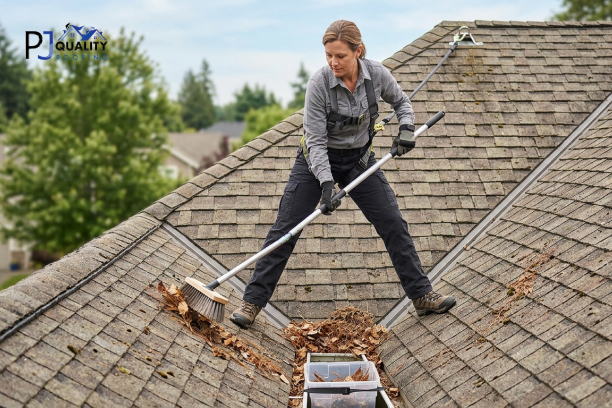
Effective roof maintenance requires a two-step approach involving personal inspections and professional assessments twice a year, especially when working with experienced roofing contractors to ensure long-term durability. Homeowners must prioritize gutter cleaning, debris removal from roof valleys, and the immediate replacement of damaged or missing shingles to prevent water intrusion. Addressing small issues such as cracked flashing or minor leaks early often handled through roof repair services prevents the need for early structural replacement.
This guide provides a detailed walkthrough of seasonal care and technical requirements for a long-lasting roofing system. PJ Quality Roofing provides these standards based on years of direct field experience and structural observation. Following these steps helps maintain the integrity of the home and prevents sudden financial burdens caused by neglected damage.
Essential Maintenance Tasks for Every Season
A roof serves as the primary barrier against the elements, and understanding topics like How to Install a Metal Roof can also help you appreciate the importance of proper roofing care and installation. Ignoring its condition leads to leaks and mold. Start by clearing gutters in the spring and autumn. Clogged gutters cause water to back up under the shingles, which rots the wooden deck underneath. Ensure downspouts direct water at least five feet away from the foundation.
Examine the surface for moss or algae growth. These organisms trap moisture against the shingles and cause them to deteriorate. Use a mixture of water and vinegar or a zinc strip to prevent future growth. Avoid high-pressure washing as it strips the protective granules off the asphalt.
Inspecting Shingles and Tiles
Look for shingles that are curling, cracking, or buckling. These signs indicate that the material reached the end of its functional life. Check the gutters for an accumulation of granules. Shingles lose these granules as they age, leaving the asphalt mat exposed to harmful UV rays.
Bonus Tip: Use binoculars to inspect the roof from the ground if the pitch is too steep for safe walking. This allows for a detailed view of the shingles without risking a fall.
Monitoring Flashings and Vents
Flashings are the metal pieces installed around chimneys, vents, and skylights. They are the most common point for leaks. Inspect these areas for rust, gaps, or dried-out caulking. Seal any small openings with high-quality roofing cement. Ensure that attic vents remain unobstructed by bird nests or debris to allow for proper airflow.
Structural Health and Attic Ventilation
Beyond maintaining these external components, proper attic health directly affects the lifespan of the roof. Poor ventilation traps heat and moisture in the attic during summer and winter. This heat bakes the shingles from the inside out, causing them to become brittle and crack prematurely, which can eventually require a full roof installation if not addressed early.
Check the insulation in the attic. It should be deep enough to keep heat from escaping the living space into the attic during cold months. If the attic stays too warm in winter, it can cause snow to melt and refreeze at the roof edge, creating ice dams. These dams force water under shingles and into the walls of the home.
Understanding the Financial Aspects of Roofing
Maintaining a roof is an investment in the value of the property. Small repairs cost significantly less than a full overhaul. However, every roofing system eventually requires replacement, and knowing what to expect financially is key. Understanding the current market—including insights on how much a roof replacement costs—helps in planning for this inevitable expense.
According to data from Angi, the average cost of roof replacement currently sits around $9,301, though prices range significantly based on materials and location. Homeowners often ask about the cost of a new roof for a standard home, and the answer typically depends on the total square footage and the complexity of the roof’s design.
Estimating Material and Labor Costs
The roof replacement cost per square foot varies widely. Asphalt shingles remain the most affordable option, while materials like slate or metal command higher prices. A report by HomeAdvisor notes that the residential roof replacement cost for high-end materials can exceed $30,000 for a typical single-family home.
| Material Type | Expected Lifespan | Estimated Cost Per Square Foot |
|---|---|---|
| Asphalt Shingles | 15 – 30 Years | $4.00 – $6.50 |
| Metal Roofing | 40 – 70 Years | $9.00 – $16.00 |
| Concrete Tiles | 40 – 50 Years | $10.00 – $18.00 |
| Slate Stone | 75 – 100 Years | $15.00 – $30.00 |
Calculating Total Investment
When calculating the new roof replacement price, factors like the removal of old layers and the structural repair of the wood deck must be considered. If a roof has two layers of shingles already, a contractor must strip them both before installing a new system. This increases the labor time and disposal fees. The cost to replace a roof also includes the installation of new underlayment and flashing, which are necessary for a valid manufacturer’s warranty.
Bonus Tip: Request a detailed line-item estimate from contractors. This ensures that items like ridge vents, starter shingles, and ice and water shields are included in the initial quote.
Things to Consider Before Making a Decision
Before committing to a major repair or a full installation, evaluate several factors. The age of the current roof is the most significant indicator. If an asphalt roof is over 20 years old, individual repairs might only act as a temporary fix.
Consider the local climate. Homes in areas with high wind or heavy snow require different materials than homes in dry, sunny regions. Look for impact-resistant shingles if hail is common in the area. This can sometimes lead to lower homeowners’ insurance premiums.
Energy efficiency is another factor. Modern “cool roofs” reflect more sunlight and absorb less heat. Choosing these materials can reduce cooling costs by a measurable margin during the summer. PJ Quality Roofing suggests checking for local energy rebates that might apply to specific roofing materials.
Common Questions About Roof Longevity
Many homeowners wonder if they can install new shingles over old ones to save money. While this is possible in some jurisdictions, it is rarely recommended. Adding a second layer traps heat, reduces the lifespan of the new shingles, and makes it impossible to inspect the wooden deck for rot.
Another frequent question involves the timing of the replacement. Is it better to replace a roof in the summer or winter? While roofing can happen year-round, asphalt shingles require a certain temperature to seal properly. Late spring and early fall offer the best conditions for the adhesive strips on shingles to bond effectively.
Addressing Frequent Roof Concerns
How do I know if I have storm damage?
After a storm, check for shingles on the ground or circular indentations on the roof surface. Hail often knocks the granules off the shingles, creating “bruises” that lead to leaks over time. Also, check the metal flashing for dents.
Does homeowners insurance cover the cost to replace a roof?
Insurance typically covers damage caused by “unforeseen events” like wind, hail, or fallen trees. It rarely covers replacement due to age or lack of maintenance. Keeping maintenance records helps prove that the roof was in good condition before a storm hit.
Can I do roof repairs myself?
Small tasks like cleaning gutters or replacing a single shingle are manageable for some. However, working on a roof is dangerous. Professional contractors have the safety gear and experience to identify hidden issues that a homeowner might miss.
What is a roof square?
In the roofing industry, a “square” is a unit of measurement equal to 100 square feet. Contractors use this unit to estimate materials and labor for the job.
Why does my roof have dark streaks?
Dark streaks are usually caused by a type of algae called Gloeocapsa Magma. It feeds on the limestone filler in asphalt shingles. While it is mostly an aesthetic issue, it can eventually lead to moisture retention.
Summary of Maintenance Practices
Protecting a roof involves consistent observation and timely action. Clean the drainage systems twice a year and remove overhanging branches that can scrape the surface or drop excessive debris. Monitor the attic for proper airflow and insulation to prevent internal heat damage. When the time comes to consider the average cost of roof replacement, compare material lifespans against the local climate needs.
A proactive approach extends the life of the structure and ensures the safety of the household. Evaluate the roof after every major weather event and do not ignore small leaks. Addressing minor wear now prevents the significant residential roof replacement cost that comes with structural neglect.
Professional Care and Support
For homeowners seeking professional guidance on the state of their roofing system, PJ Quality Roofing offers detailed assessments. Maintaining a safe and dry home requires expertise and attention to detail. For more information or to discuss specific roofing needs, contact the team at info@pjqualityroofing.com or call (385) 630-3612. Expert advice helps navigate the process of choosing materials and understanding the long-term requirements of various roofing types.
Sources
- Angi – Provides data on the average costs for roofing services and material comparisons in the United States.
- HomeAdvisor – A resource for home improvement costs, including per-square-foot estimates for various roofing materials.
- National Roofing Contractors Association – Offers technical information on roofing standards, ventilation, and professional maintenance guidelines.
- State Farm – Contains practical advice on preventing roof damage and understanding insurance implications for roof care.

